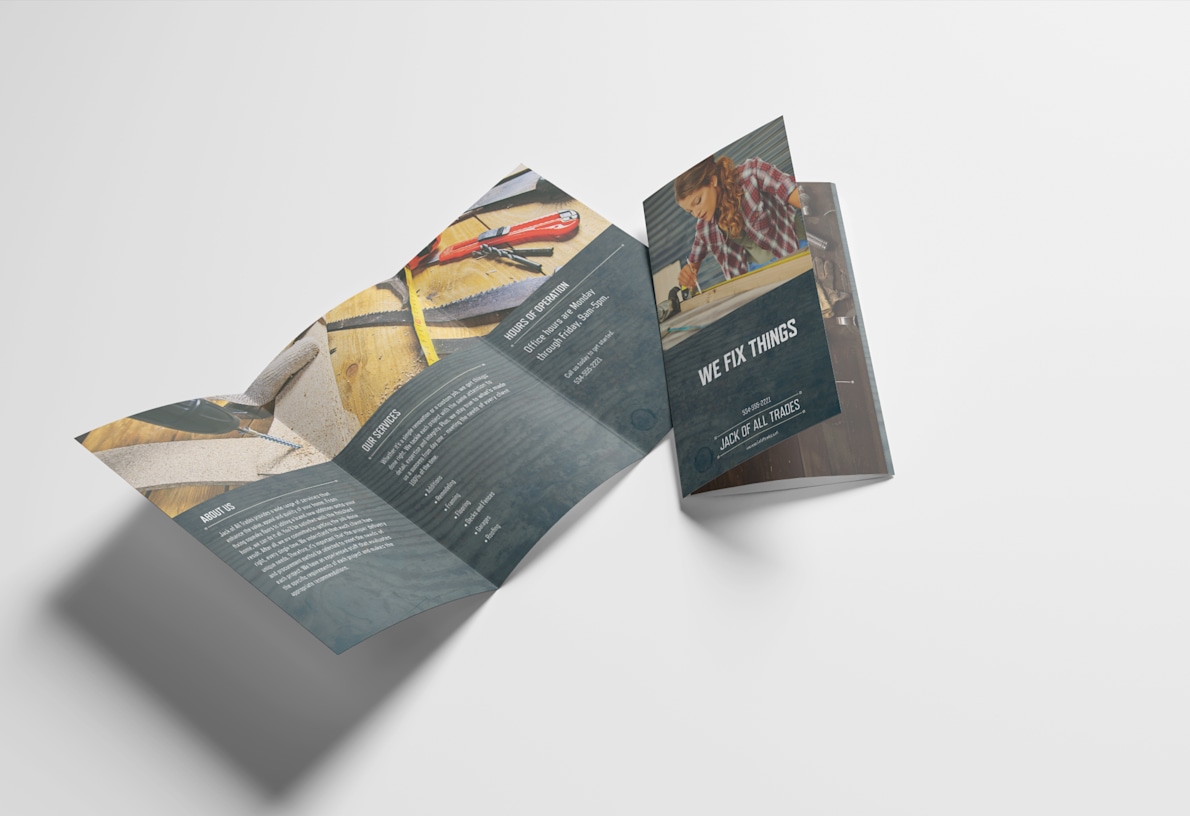
Paper Stock For Brochures
Paper Stock For Brochures - The answer depends on the type of marketing tool you’re printing and its purpose, your design. Overall, if the brochure is meant for personal use, you should probably stick with paper stock. Are you printing a brochure to advertise your services? Learn how to choose paper for your business cards, booklets, brochures, greeting cards, and other print marketing materials. It encompasses properties such as texture, finish, color, and brightness, all of. Which paper stock should you choose for your next print marketing project? Selecting the right paper thickness and type for your brochure is essential for creating a lasting impression. Learn which paper weight to choose and whether a gloss, matte or uncoated paper is the best choice. Learn the differences between matte and glossy finishes, understand paper weight and composition, and enhance. Let’s explore how to tailor your paper. Choosing the right paper stock is a layered decision that impacts the print quality and overall perception of your printed material. Let these 5 tips help you better understand paper. The answer depends on the type of marketing tool you’re printing and its purpose, your design. Each of these types has its benefit and unique style depending on what you are. Paper stock is a term that we use to describe the type of paper we use for our printing projects. Whether you’re creating business cards, brochures, or event materials, the right combination of paper and finish can elevate your print materials from ordinary to exceptional. Glossy paper stock is a popular choice for printing flyers and vibrant color documents. Read on to determine what paper, weight, and finish are best for you!. Below we’ve compiled everything you need to know about making the best paper choice for brochures. Which paper stock should you choose for your next print marketing project? What will your printed materials be used for? Whether you’re creating business cards, brochures, or event materials, the right combination of paper and finish can elevate your print materials from ordinary to exceptional. Glossy paper stock is a popular choice for printing flyers and vibrant color documents. The answer depends on the type of marketing tool you’re printing and its. If you’re making brochures for. The answer depends on the type of marketing tool you’re printing and its purpose, your design. Learn the differences between matte and glossy finishes, understand paper weight and composition, and enhance. What will your printed materials be used for? Most people prefer to use text paper as their paper of choice for brochures and flyers,. The answer depends on the type of marketing tool you’re printing and its purpose, your design. You can use two main types of paperweight for your brochure; Learn the differences between matte and glossy finishes, understand paper weight and composition, and enhance. Paper stock and card stock. Here are some of the most. If you’re making brochures for. Selecting the right paper thickness and type for your brochure is essential for creating a lasting impression. Are you printing a brochure to advertise your services? It encompasses properties such as texture, finish, color, and brightness, all of. This weight offers the right balance of rigidity and thickness. Learn the differences between matte and glossy finishes, understand paper weight and composition, and enhance. Glossy paper stock is a popular choice for printing flyers and vibrant color documents. Everything you need to know to choose paper for your printed brochure. Choosing the best paper stock depends on factors such as the intended use, desired look, and budget. Choosing the. Glossy paper stock is a popular choice for printing flyers and vibrant color documents. Each of these types has its benefit and unique style depending on what you are. Overall, if the brochure is meant for personal use, you should probably stick with paper stock. Discover how to select the perfect paper stock for your printing needs. Everything you need. Learn how to choose paper for your business cards, booklets, brochures, greeting cards, and other print marketing materials. Read on to determine what paper, weight, and finish are best for you!. Let’s explore how to tailor your paper. Overall, if the brochure is meant for personal use, you should probably stick with paper stock. Let these 5 tips help you. Choosing the best paper stock depends on factors such as the intended use, desired look, and budget. Everything you need to know to choose paper for your printed brochure. Discover how to select the perfect paper stock for your printing needs. Here are some of the most. Learn the differences between matte and glossy finishes, understand paper weight and composition,. Are you printing a brochure to advertise your services? The right paper stock enhances the message you’re trying to convey, ensuring that the design, texture, and overall quality align with the project’s intent. This weight offers the right balance of rigidity and thickness. Discover how to select the perfect paper stock for your printing needs. It encompasses properties such as. Most people prefer to use text paper as their paper of choice for brochures and flyers, as text paper is a thicker, sturdier form of cardstock. Will they be mailed, handed out, or. Read on to determine what paper, weight, and finish are best for you!. Overall, if the brochure is meant for personal use, you should probably stick with. Choosing the best paper stock depends on factors such as the intended use, desired look, and budget. Paper stock is a term that we use to describe the type of paper we use for our printing projects. What will your printed materials be used for? Will they be mailed, handed out, or. Here are some tips for choosing the right paper stock for your printed project: Overall, if the brochure is meant for personal use, you should probably stick with paper stock. Selecting the right paper thickness and type for your brochure is essential for creating a lasting impression. Below we’ve compiled everything you need to know about making the best paper choice for brochures. See paper options and get design tips here. Are you printing a brochure to advertise your services? Discover how to select the perfect paper stock for your printing needs. The right paper stock enhances the message you’re trying to convey, ensuring that the design, texture, and overall quality align with the project’s intent. The right paper stock can make your brochure look professional and attractive, while the wrong one can make it look cheap and unappealing. Here are some of the most. You can use two main types of paperweight for your brochure; For example, business cards and brochures often require thicker,.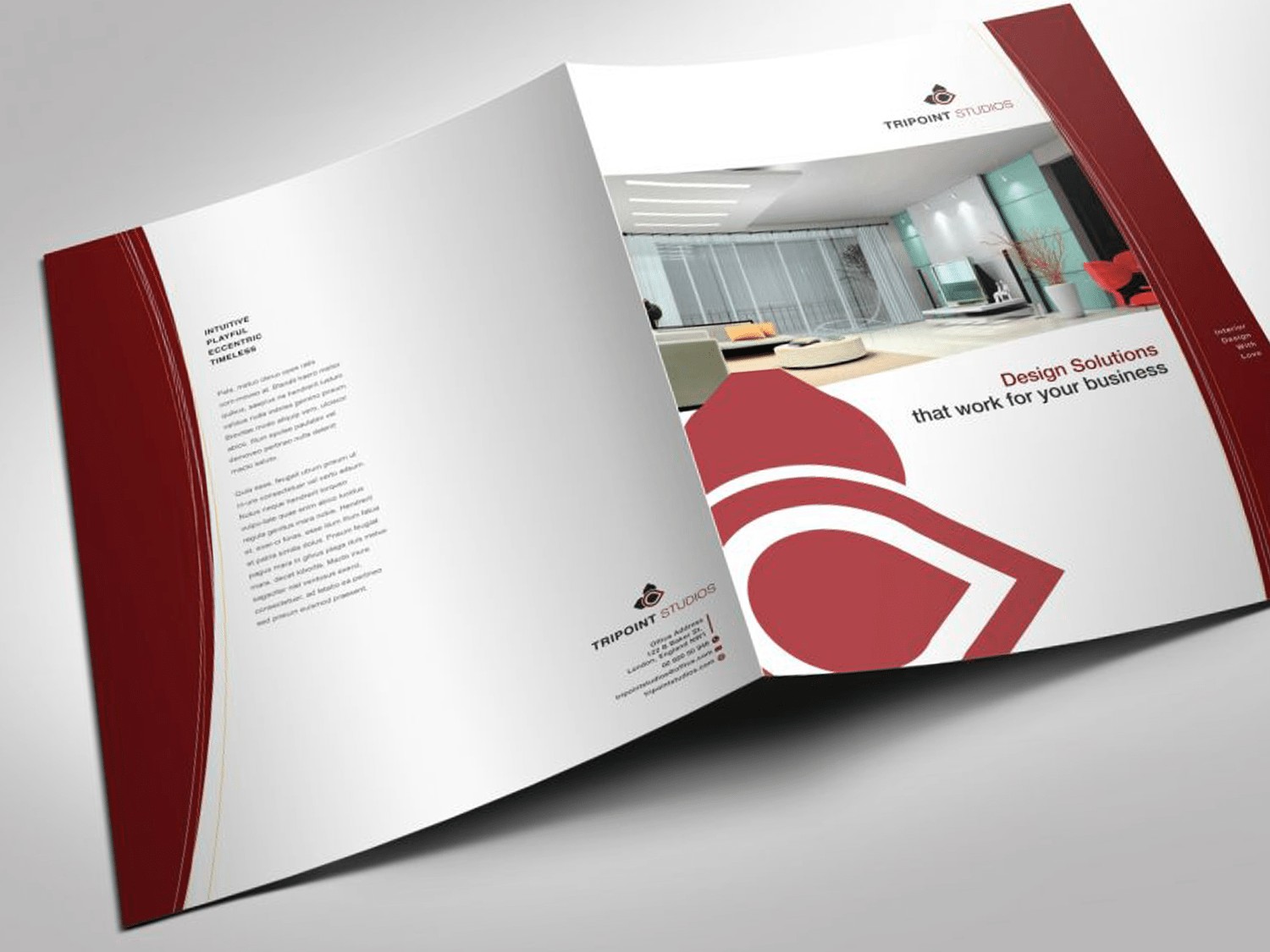
Glossy Business Advertising Flyers and Brochures Print Mor
Custom Brochure Printing, Pamphlets Printing VistaPrint

The Ultimate Brochure Paper Guide Confusing Terms Explained
White Paper Brochures Stock Photo Alamy

Paper Blank Brochure Template. Ready For A Text Stock Vector
-popular_1400x1400.jpg)
Brochure Printing Print Quality Brochures With 60 Discount
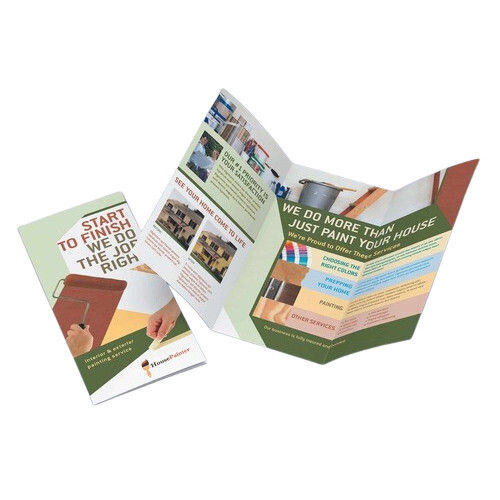
Brochure Printing Services Highquality Paper Stocks, Various Sizes

Paper Stock For Brochures at Cari Kirby blog
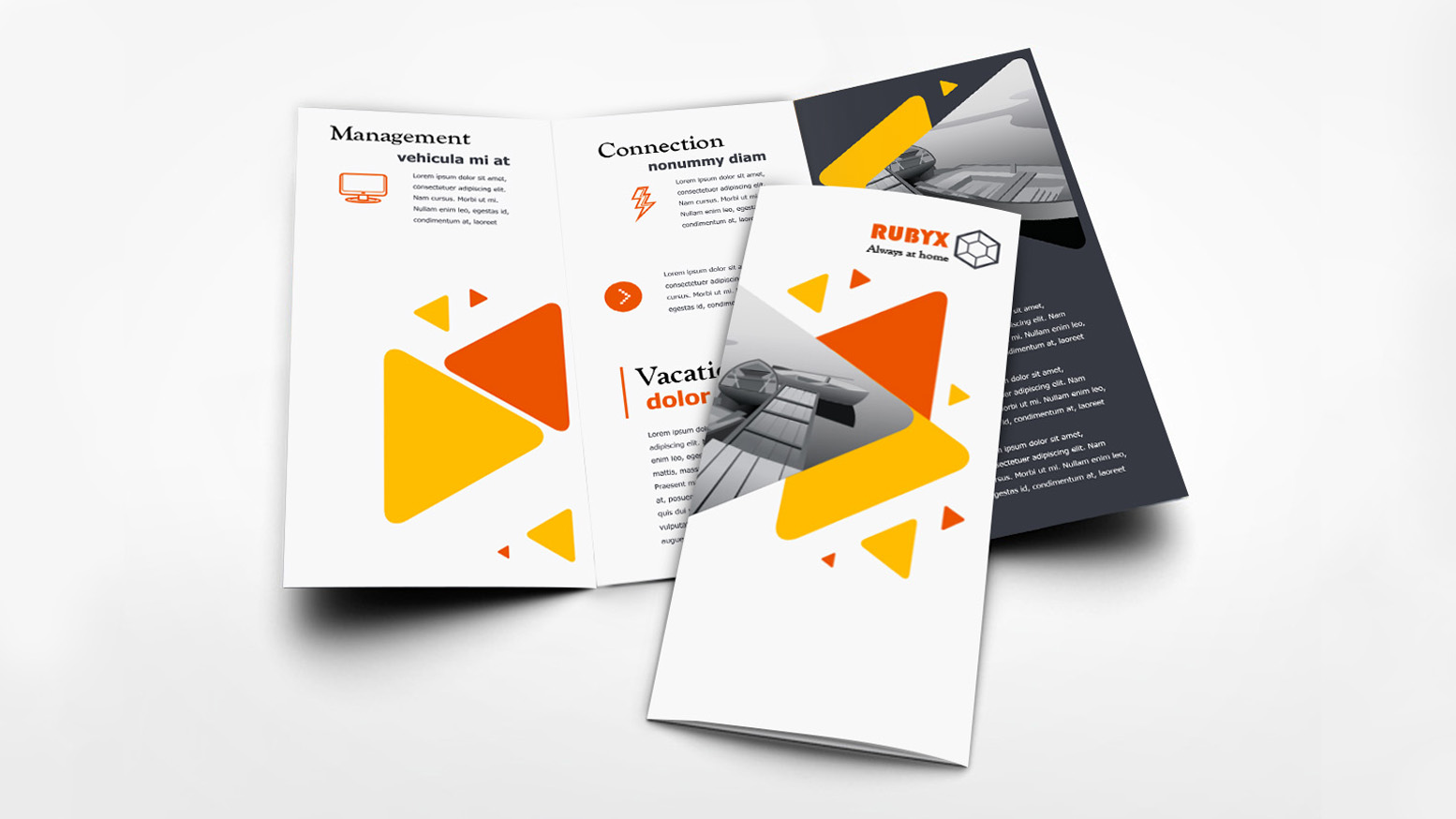
The Ultimate Brochure Paper Guide Confusing Terms Explained
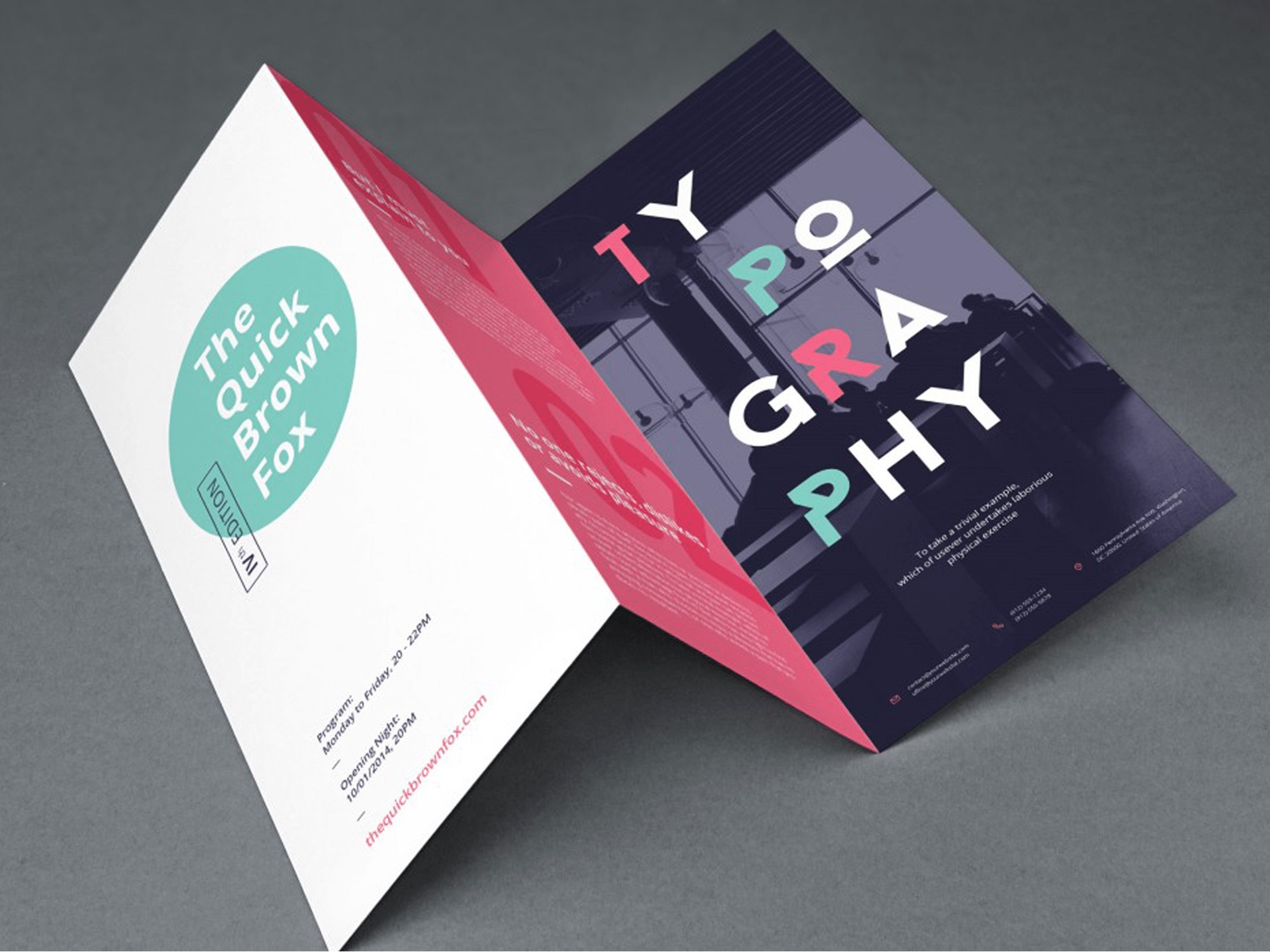
Flyer & Brochure Printing NYC 100lb SemiGloss Paper
Choosing The Right Paper Stock Is A Layered Decision That Impacts The Print Quality And Overall Perception Of Your Printed Material.
Glossy Paper Stock Is A Popular Choice For Printing Flyers And Vibrant Color Documents.
The Answer Depends On The Type Of Marketing Tool You’re Printing And Its Purpose, Your Design.
It Encompasses Properties Such As Texture, Finish, Color, And Brightness, All Of.
Related Post: