
Advance Care Planning Brochure
Advance Care Planning Brochure - Advance care planning is important for all adults, no matter your age or health status. Why do i need an. This document allows you to make. You can use advance directives to state what medical treatments you do or do not want as you grow older or if you. The goal of advance care planning is to make sure. Advance care planning is a process that helps you understand and share your values, goals and wishes as they relate to your health care. It is a process of thinking about and talking with your close family and friends. We encourage everyone who is over 18 to think about completing an advance directive, which. Bring a list of your concerns, wishes and questions to share: Accidents can happen unexpectedly, and one’s health can change from one day to the next. There is an advance care planning order called polst (physician’s orders for life sustaining treatments) that you can complete with your doctor. Advance care planning is important for all adults, no matter your age or health status. Advance care planning (acp) is the process of coming to understand, reflect on, discuss, and plan for a time when you cannot make your own medical decisions. Obtain a free copy of the advance care planning community workbook to guide and prompt discussion and develop a written plan. Advance care planning is the process of identifying and discussing future medical decisions between you and your friends, loved ones, care providers, clergy and other advisors. Contact carer support unit 4320 5556 or download at: Developing an advance care plan (acp) — also known as an advance directive or health care directive — can help empower you as you communicate your medical and personal wishes. “how will the treatments afect my. Why do i need an. It’s a common myth that advance care planning is only for people who have a serious illness or are near the end of life. Accidents can happen unexpectedly, and one’s health can change from one day to the next. It is a process of thinking about and talking with your close family and friends. The goal of advance care planning is to make sure. Bring a list of your concerns, wishes and questions to share: • this step is recommended for individuals with complex,. Why create an advance care plan? “i want to talk to you about what matters to me and my health care”; The goal of advance care planning is to make sure. It is a process of thinking about and talking with your close family and friends. Developing an advance care plan (acp) — also known as an advance directive or. “how will the treatments afect my. Advance care planning is not just for elderly people or those with critical illnesses. It’s a common myth that advance care planning is only for people who have a serious illness or are near the end of life. Health care plans are legal documents called advance directives. It is a process that evaluates a. “how will the treatments afect my. Advance care planning is not just for elderly people or those with critical illnesses. Advance care planning is important for all adults, no matter your age or health status. 3,4 a 2017 study found that 70% of providers indicated. Advance care planning is a process that helps you understand and share your values, goals. It includes thinking about and identifying one’s goals for medical care, both right now as well as in the future. It’s a common myth that advance care planning is only for people who have a serious illness or are near the end of life. It is a process that evaluates a person's values and determines preferences for care in various.. Developing an advance care plan (acp) — also known as an advance directive or health care directive — can help empower you as you communicate your medical and personal wishes. There is an advance care planning order called polst (physician’s orders for life sustaining treatments) that you can complete with your doctor. Advance care planning is the process of identifying. It is a process that evaluates a person's values and determines preferences for care in various. Advance care planning is a process that helps you understand and share your values, goals and wishes as they relate to your health care. This document allows you to make. Accidents can happen unexpectedly, and one’s health can change from one day to the. It is a process of thinking about and talking with your close family and friends. Why do i need an. Health care plans are legal documents called advance directives. Developing an advance care plan (acp) — also known as an advance directive or health care directive — can help empower you as you communicate your medical and personal wishes. Advance. The goal of advance care planning is to make sure. • this step is recommended for individuals with complex, chronic health conditions, serious illness, and advancing age • it is best if it is reviewed and updated at least. Advance care planning is important for all adults, no matter your age or health status. Advance care planning is not just. Why do i need an. • this step is recommended for individuals with complex, chronic health conditions, serious illness, and advancing age • it is best if it is reviewed and updated at least. Advance care planning can be done at any stage in life. Advance care planning is an ongoing process to help you plan for your future. It’s. It’s a common myth that advance care planning is only for people who have a serious illness or are near the end of life. This document allows you to make. Advance care planning is important for all adults, no matter your age or health status. Advance care planning is an ongoing process to help you plan for your future. Bring a list of your concerns, wishes and questions to share: “i want to talk to you about what matters to me and my health care”; Obtain a free copy of the advance care planning community workbook to guide and prompt discussion and develop a written plan. Advance care planning is the process where you identify your values and wishes for your health care at a future time if you are no longer capable of making choices for yourself. Why create an advance care plan? “how will the treatments afect my. You can use advance directives to state what medical treatments you do or do not want as you grow older or if you. Health care plans are legal documents called advance directives. It is a process of thinking about and talking with your close family and friends. Advance care planning is the process of identifying and discussing future medical decisions between you and your friends, loved ones, care providers, clergy and other advisors. 3,4 a 2017 study found that 70% of providers indicated. It is a process that evaluates a person's values and determines preferences for care in various.
Advance Care Planning Aging & Aging at Home or Aging in Place
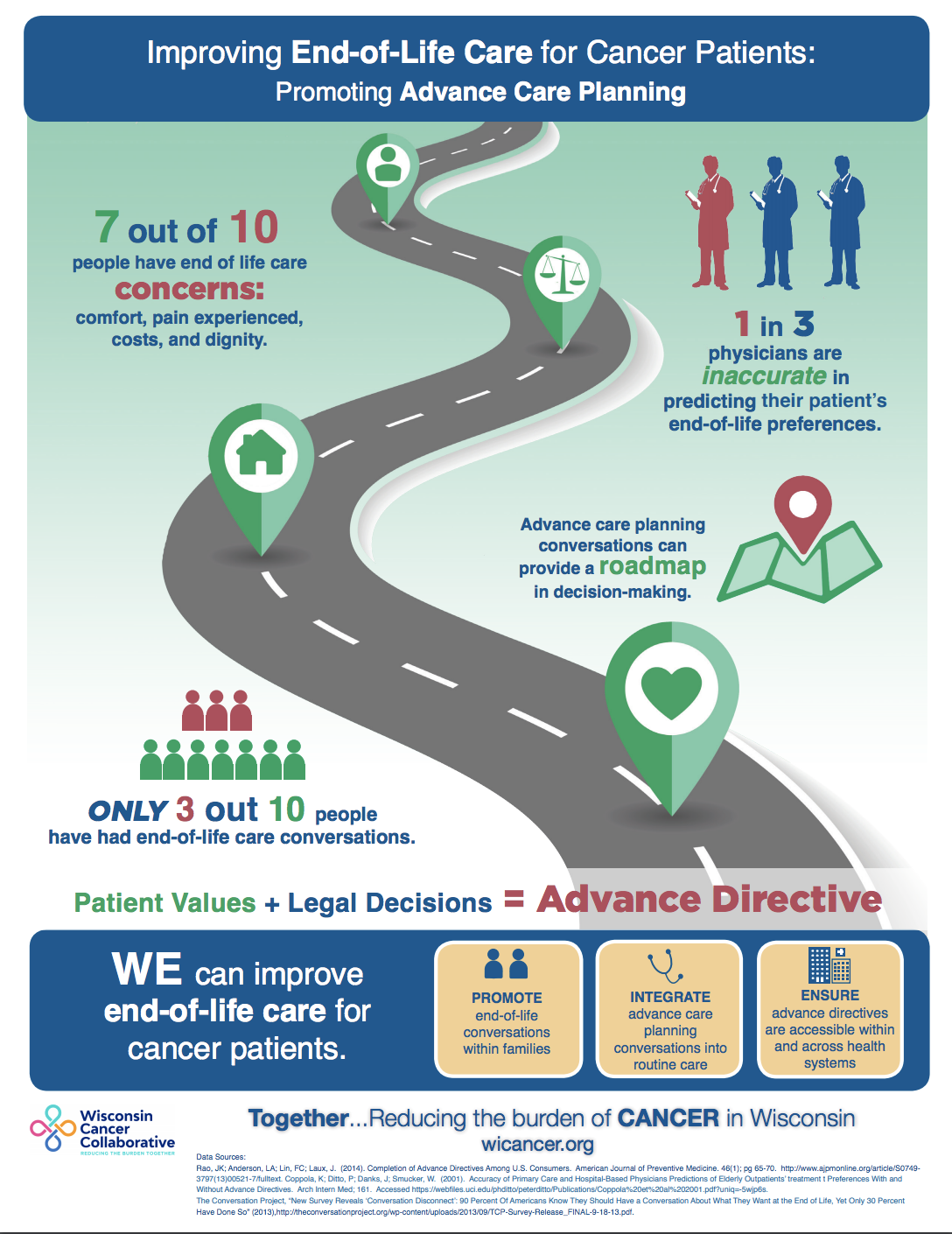
Advance Care Planning Statistics

Advance Care Planning Brochure Alfred Hospital
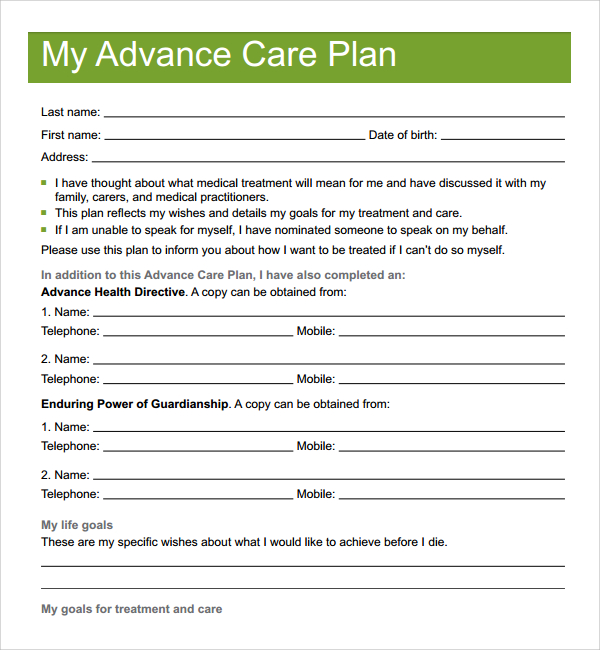
FREE 17+ Sample Care Plan Templates in PDF MS Word
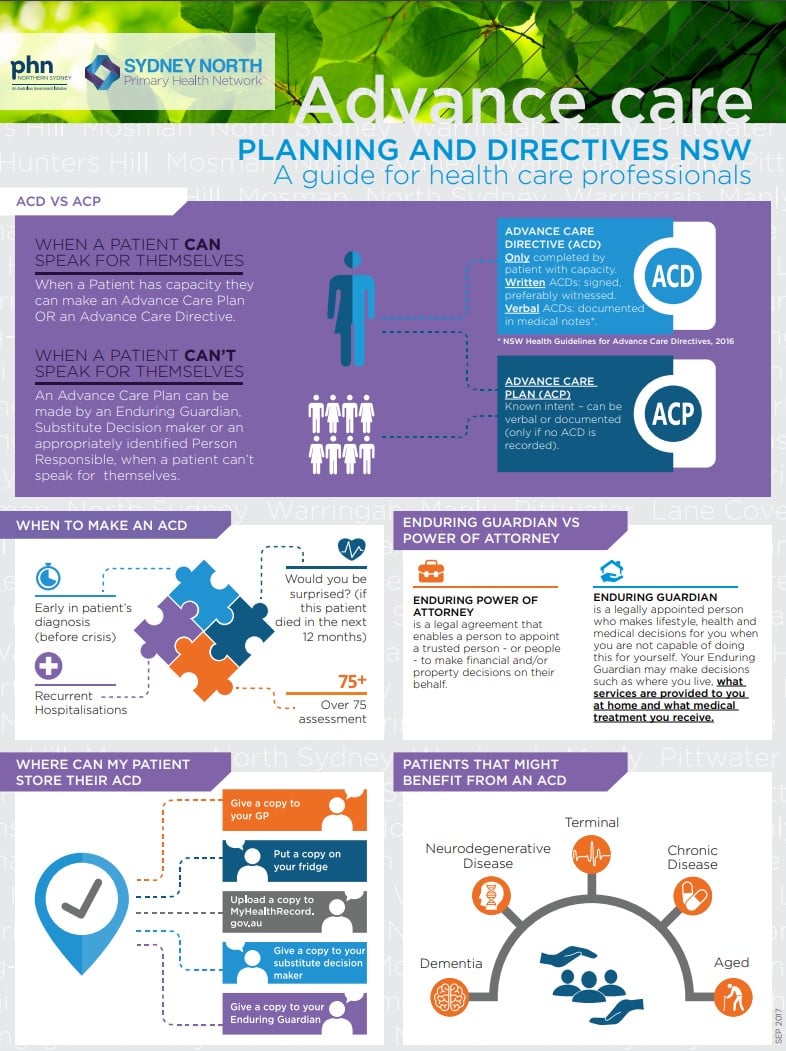
Advance Care Planning & Directives for health professionals South

Advance Care Planning Langley Hospice Society

Advanced Care Planning Resources // Lowell General Hospital
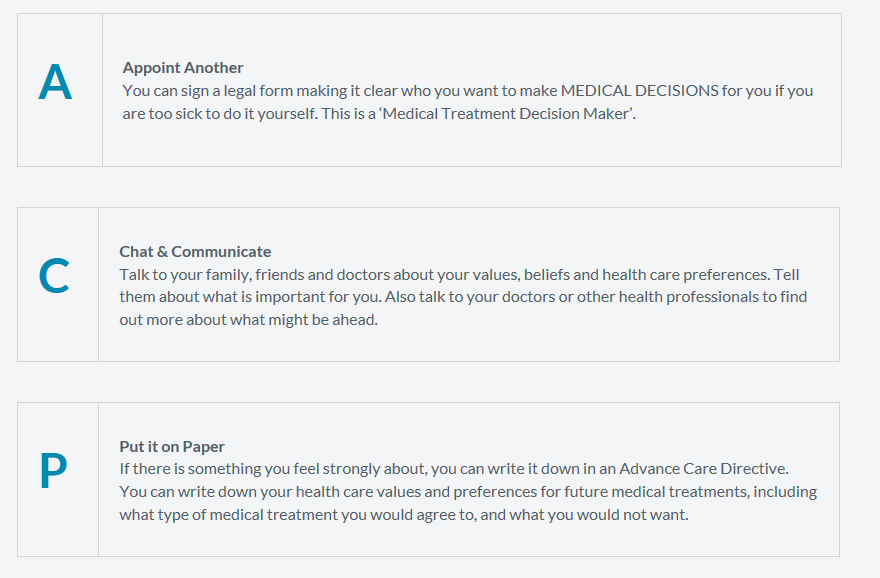
Bendigo Health Website Advance Care Planning
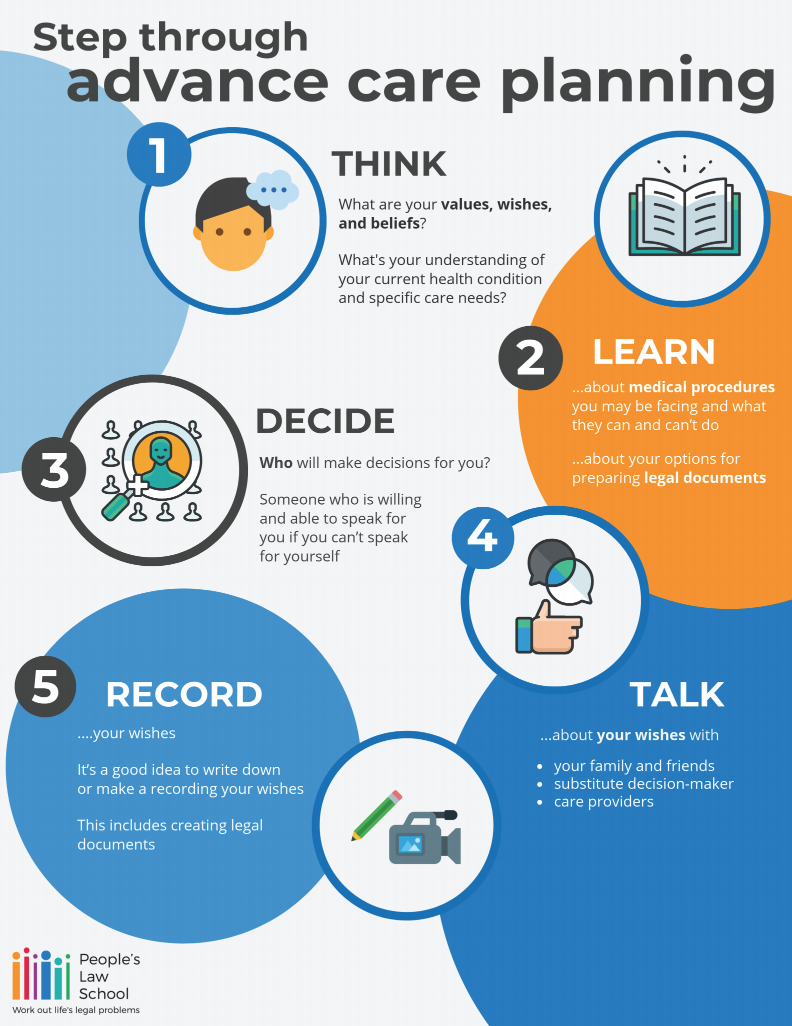
Advance care planning infographic People's Law

Education and Awareness Hospice Simcoe
Advance Care Planning (Acp) Is The Process Of Coming To Understand, Reflect On, Discuss, And Plan For A Time When You Cannot Make Your Own Medical Decisions.
Advance Care Planning Encourages You To Talk About What Is Important To You Before You Get Seriously Ill.
Why Do I Need An.
• This Step Is Recommended For Individuals With Complex, Chronic Health Conditions, Serious Illness, And Advancing Age • It Is Best If It Is Reviewed And Updated At Least.
Related Post: